Heritage Guide
Dhokra Animal Motifs & Symbolism
Decode the ancient language of Bastar metalcraft. Discover why the elephant, horse, and bull remain the most coveted forms in Dhokra statues—and what they mean for the collector.
The Language of Metal
Why Animal Motifs Define Dhokra Art
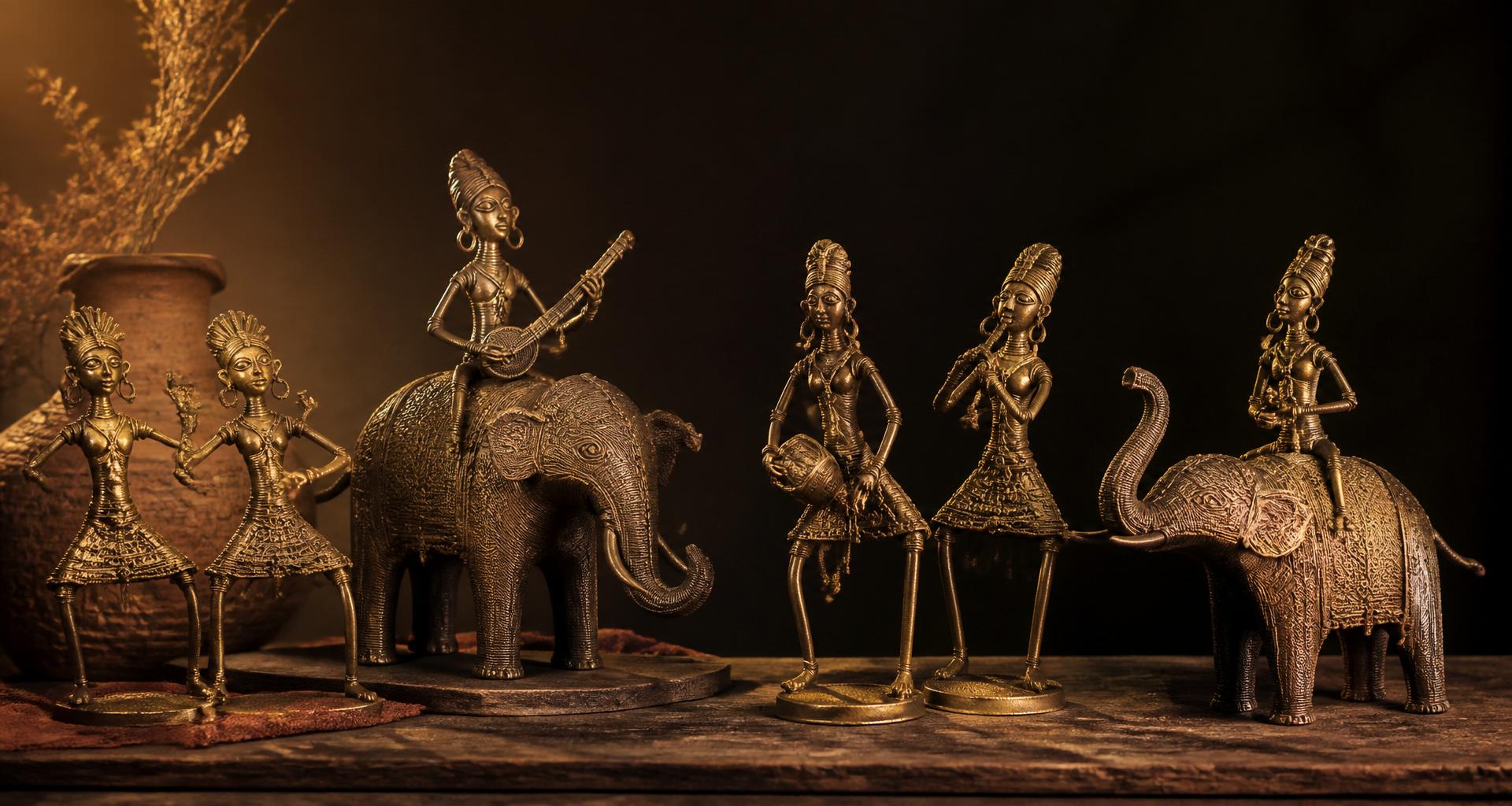
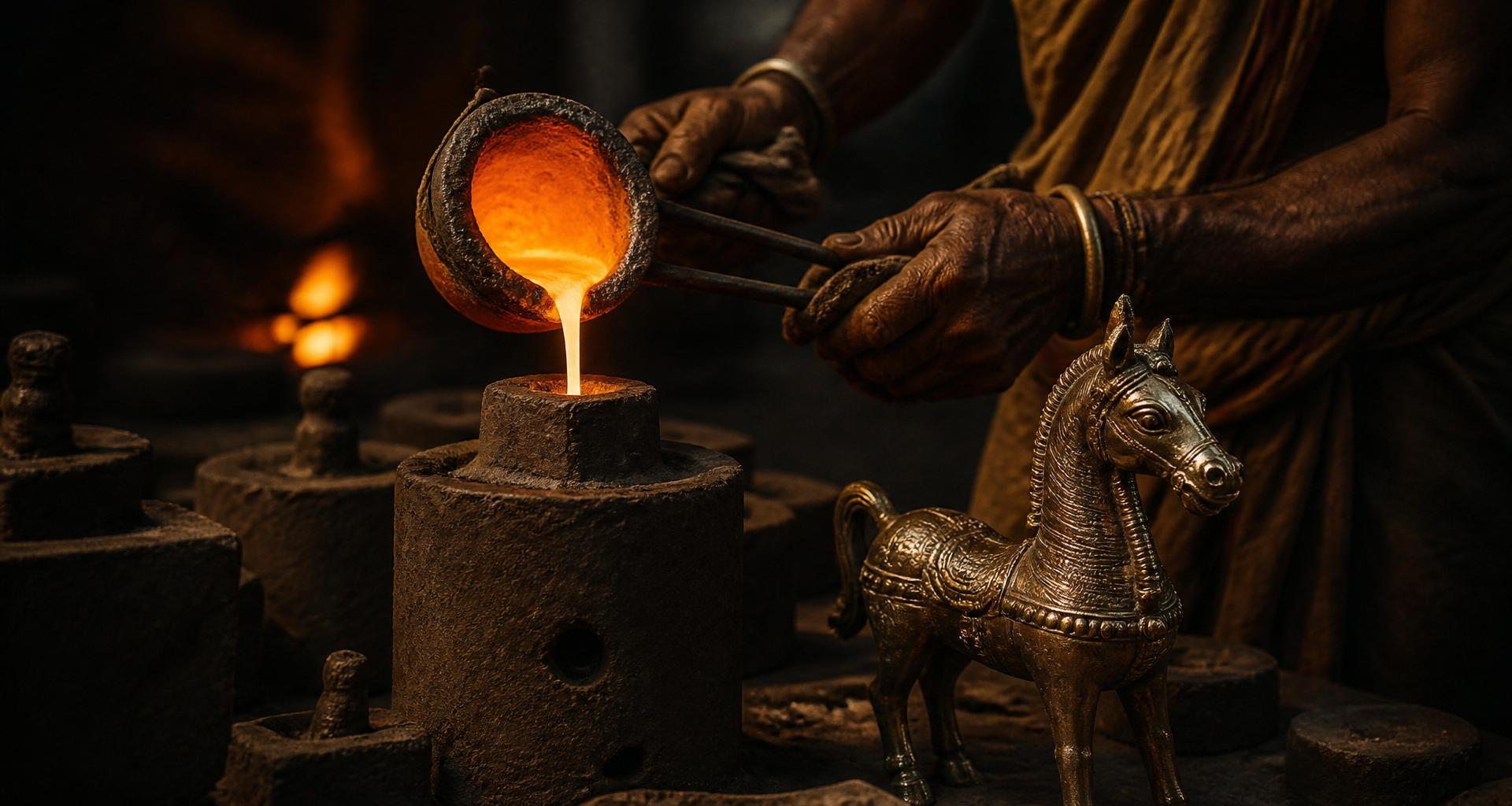
Bastar Dhokra is one of the oldest surviving lost-wax metalcasting traditions in India. For over four thousand years, artisans of the Ojha and Kamar communities in Chhattisgarh have transformed beeswax, clay, and brass into narrative sculptures that speak of fertility, prosperity, and protection.
Among the most sought-after Dhokra statues are animal forms. The elephant, horse, and bull are not merely decorative; they are visual prayers. Each motif carries agrarian, spiritual, and totemic meaning that connects the object to its maker, its land, and its new keeper.
Collectors searching for a dhokra horse, dhokra elephant statue, or dhokra bull figurine are often drawn as much to the symbolism as to the craftsmanship. This guide explains what these motifs represent and how to choose a piece that resonates with your space.
Quick Reference
- checkElephant: Ganesha, wisdom, royal strength
- checkHorse: Solar energy, speed, sacrifice, nobility
- checkBull: Fertility, harvest, Nandi, ancestral power
Sacred Forms
The Three Motifs Every Collector Should Know
The Elephant: Wisdom, Royalty & Ganesha
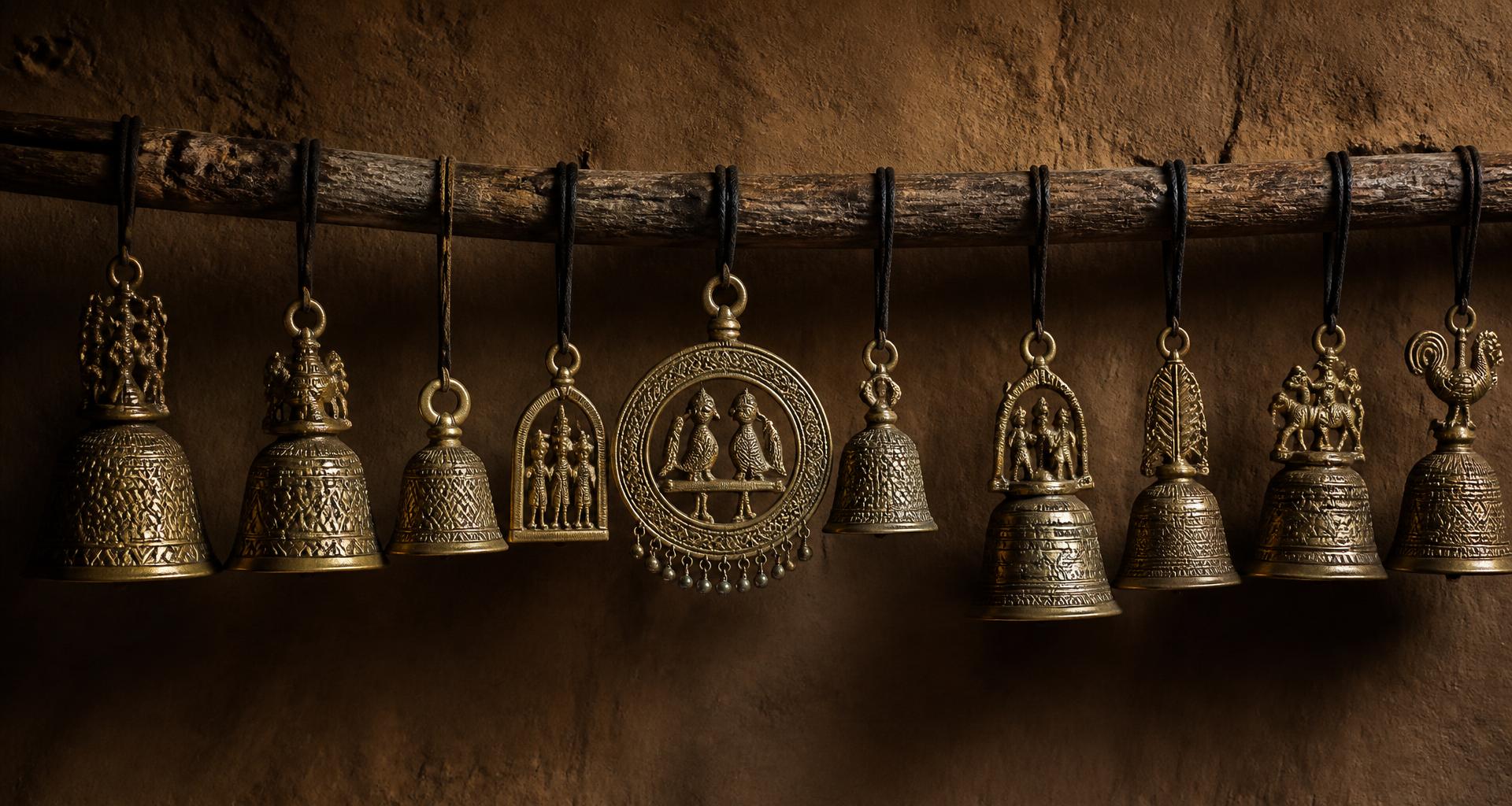
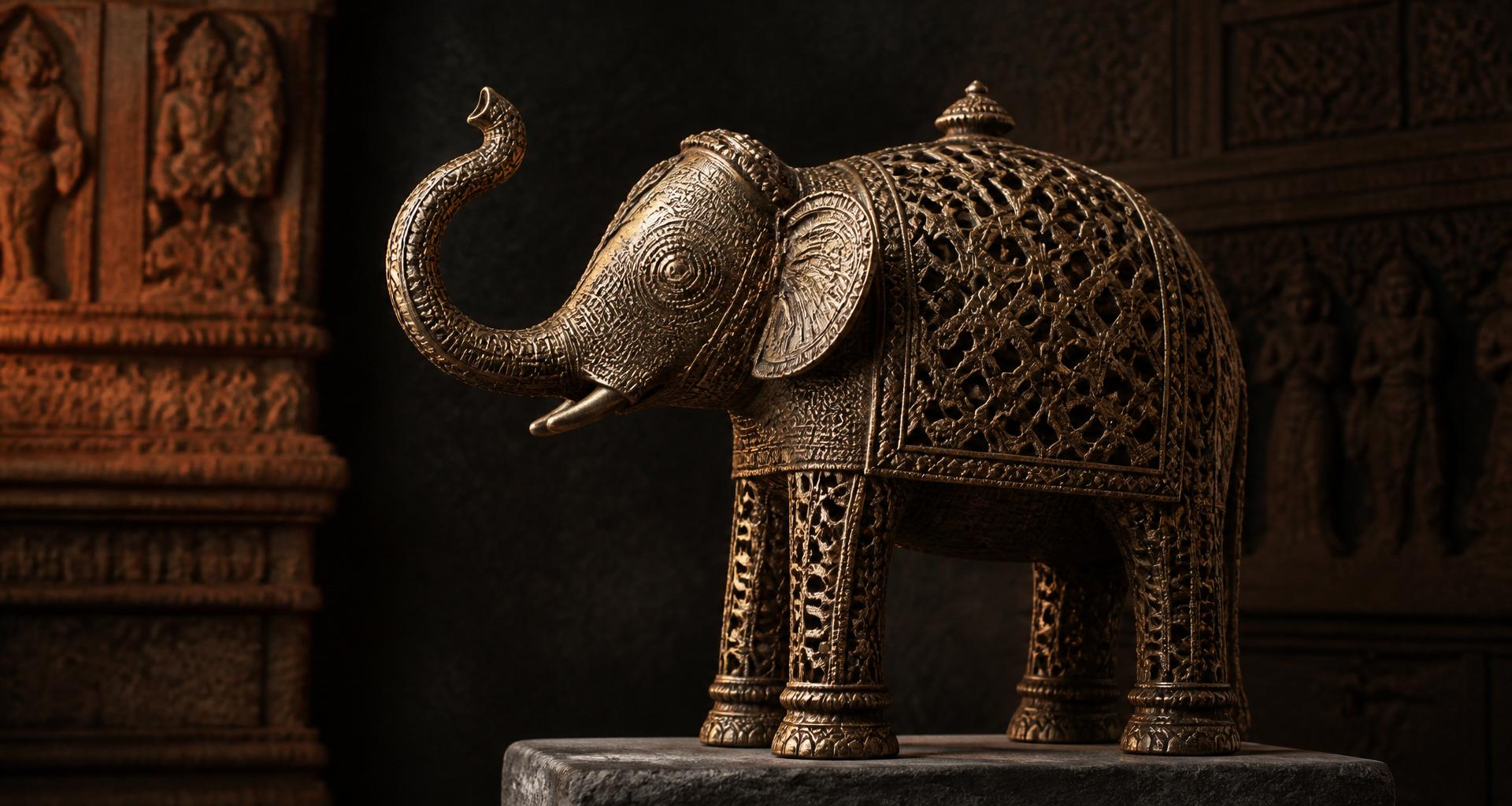
In Bastar Dhokra, the elephant is the most auspicious of all animal motifs. Its form echoes Ganesha, the remover of obstacles, making it a traditional housewarming or new-venture gift. The broad back symbolizes the ability to carry burdens with grace; the raised trunk is interpreted as a sign of welcome and abundance.
Tribal artisans often flank the elephant with scrollwork, bells, or miniature riders, turning a single statue into a narrative of village procession. For collectors, a dhokra elephant statue works beautifully as an entrance-piece or desk guardian.
The Horse: Solar Power, Speed & Sacrifice
The dhokra horse carries deep Indo-Aryan symbolism. In Vedic and tribal lore, the horse is associated with the sun, swiftness, and the Ashvamedha ritual of sovereignty. In Bastar, horse figurines are often placed near thresholds or in shrines to invite forward momentum and vitality.
Dhokra horses are typically rendered with elongated bodies, decorative harnesses, and a proud, alert stance. Their dynamic posture makes them ideal for modern interiors—bookshelves, console tables, or gallery walls—where the silhouette reads as both ancient and contemporary.
The Bull: Fertility, Harvest & Nandi
The bull is the agrarian soul of Bastar. As a draught animal and a symbol of Nandi, the sacred mount of Shiva, it represents patience, productive strength, and the cycle of sowing and reaping. In Dhokra craft, bulls are often adorned with geometric patterns that recall crop rows and furrows.
A dhokra bull figurine is a meaningful addition to spaces centered on family, nourishment, or creative work. Its grounded stance offers a counterbalance to the upward energy of the horse, making the two motifs a classic pairing.
For Collectors
How to Choose a Dhokra Animal Statue
1. Read the posture. A raised trunk on an elephant signals welcome; a rearing horse suggests energy; a resting bull conveys stability.
2. Look for the wax-wire detail. Authentic Bastar Dhokra retains the fine thread-like lines and granular texture created by the lost-wax process.
3. Match the motif to the space. Place protective elephants near entrances, energetic horses in workspaces, and grounding bulls in dining or family rooms.
4. Ask about the artisan. Each piece carries the signature of its maker. Our Artisan Directory shares the stories behind the hands that shaped your statue.
Start Your Collection
Every Dhokra statue at House of Avishka is sourced directly from Kondagaon artisans and arrives with provenance notes.
Browse the CollectionCommon Questions
Dhokra Motif FAQ
What is the most popular Dhokra animal statue?
The dhokra horse and dhokra elephant are the most collected animal forms. Horses appeal to buyers seeking movement and energy; elephants are chosen for protection and auspicious beginnings.
Are Dhokra animal figurines religious?
They can be. Many motifs reference Ganesha (elephant), Nandi (bull), or solar rituals (horse). However, they are also appreciated as heritage art and design objects regardless of spiritual practice.
How can I tell if a Dhokra statue is authentic?
Authentic Bastar Dhokra shows hand-built wax-wire detail, a warm brass or bronze patina, and slight irregularities that machine casting cannot replicate. At House of Avishka, every piece is verified and sourced from recognized artisan families in Kondagaon.